Battle of Waterloo and Napoleon Bonaparte History Researxh and Education Studies
waterloo-napoleon.com ©






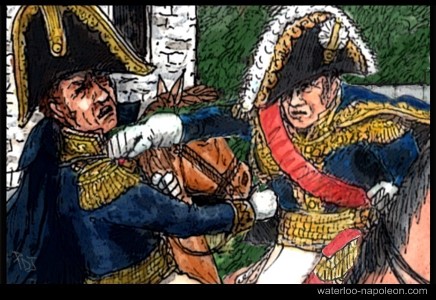
Why did Marshal Macdonald punch out a drunken Brigadier in March 1815?
Our membership area - opening in December 2022 - has the answer,














Our Friends Links

The Battle of Waterloo, was one of history's most brutal battles ever fought. It was a particularly bloody day-long showdown that took place on what otherwise should have been a normal quiet Sunday, on June 18th, 1815. The battle was fought in Belgium, 12 miles south of the capital, Brussels. The ruler of France, Napoleon Bonaparte, was decisively defeated by his determined foes, the two Allied army commanders, the Duke of Wellington and Field Marshal Blücher. The casualty tally across the battlefield and beyond totalled 50,000 persons (10,000 of them being killed).among the many hundreds upon hundreds of horses also ending up dead during the carnage.
The fierce fighting raged across the battlefront. Key struggles for control took place at the Hougoumont chateau grounds, and the farmhouse of La Haye Sainte, as well as amid the Allied defences in the Papelotte area. The bodies of dead and wounded gruesomely piled up astride the east-west Ohain sunken roadway which protected most of the frontage of Wellington's army. The fighting in and around the village of Plancenoit, located behind Napoleon's right flank, was particularly brutal as the Prussian army steamrolled forward and remorselessly attacked the stubborn outnumbered French defenders.
Despite the crushing defeat, Napoleon remained convinced that 'all was not lost' in the days that followed, and while the remnants of his Army of the North rallied, he reluctantly returned to Paris to try and convince the French politicians that he still had enough power to defend France from the European Seventh Coalition's impending massive invasion of France. However, the government's mostly Liberal-elected officials rebuffed and rebelled against Napoleon - daringly forcing him to quickly agree to abdicate his throne.
The epic battle of Waterloo finally ended the long drawn out fifteen years of conflict, known as the Napoleonic Wars.
Visit the BEST LINKS PAGE anywhere online for everything related to the
Waterloo Campaign and Napoleon Era studies and much more associated historical topics GO HERE
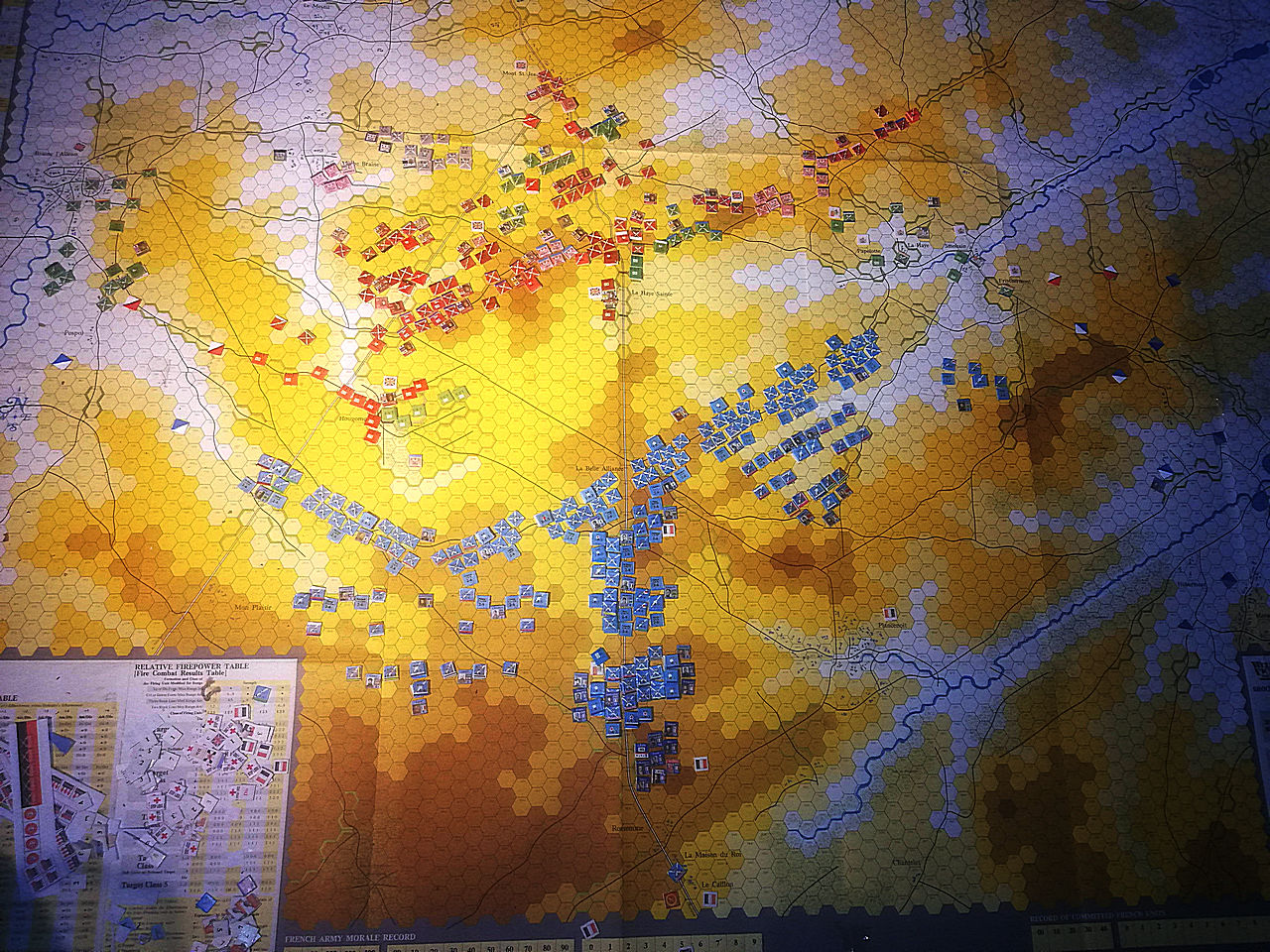
Special 2020 Battle of Waterloo Tabletop Wargame Replay Event







Battle of Waterloo and Napoleon History Education Studies
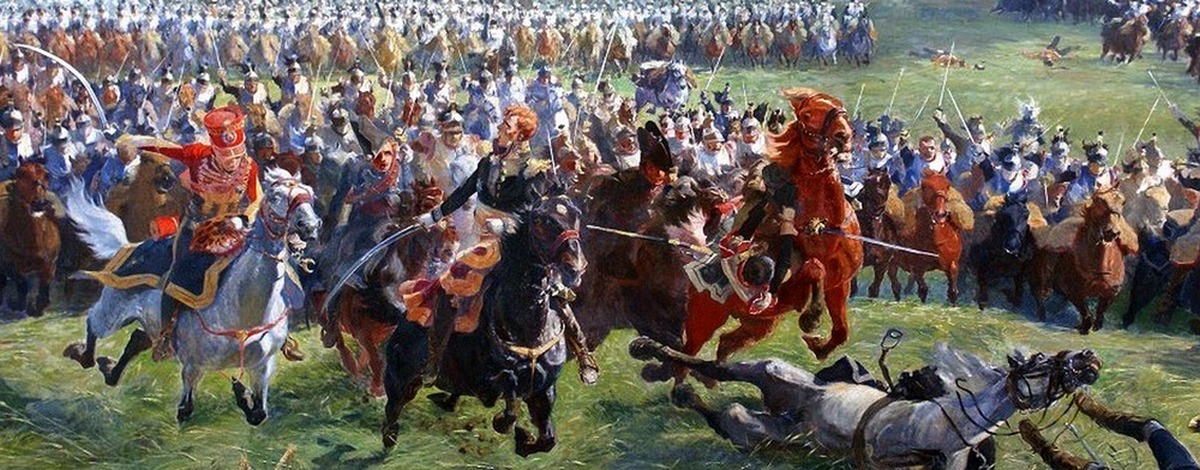
French cavalry charges at the Battle of Waterloo - from the Panorama painting in Belgium
Battle of Waterloo and Napoleon History Education Studies
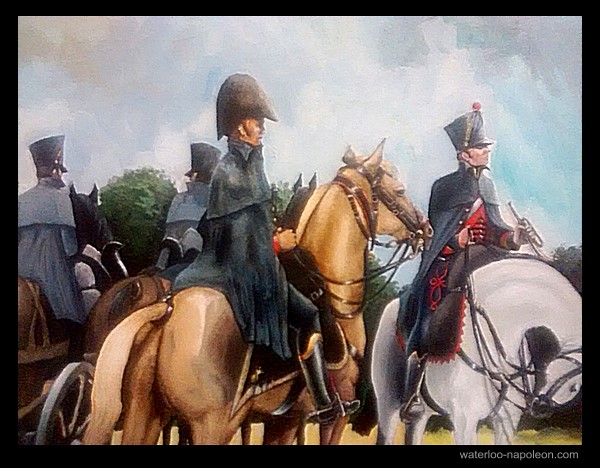
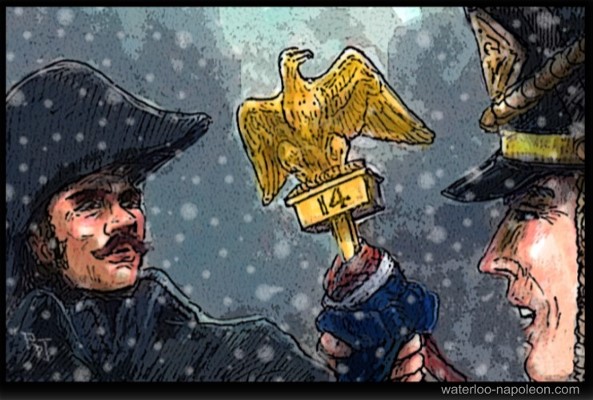
French horse artillery crew
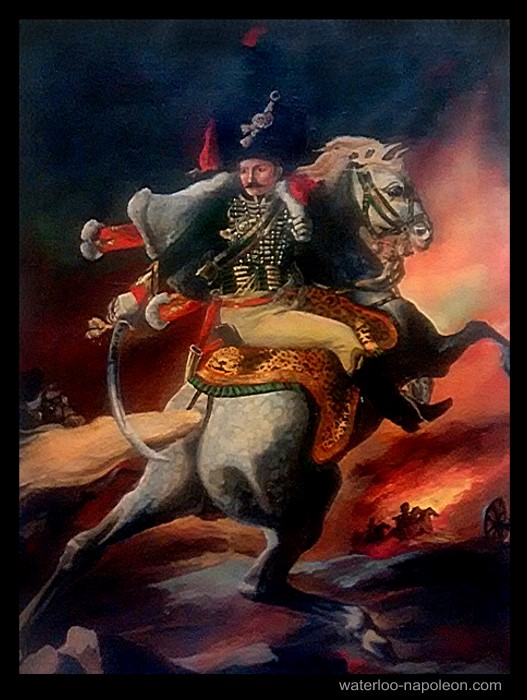
Galloping Chasseur
Marbot at the Battle of Eylau
Marshal Macdonald fights in 1815
French cavalry charges at the Battle of Waterloo - from the Panorama painting in Belgium
Marshal Ney leading French cavalry charges at the Battle of Waterloo
(from the Panorama painting at the Belgian battlefield site)
Battle of Waterloo
Napoleon history
Military history of the Napoleonic Wars and Napoleon Bonaparte


The Battle of Waterloo